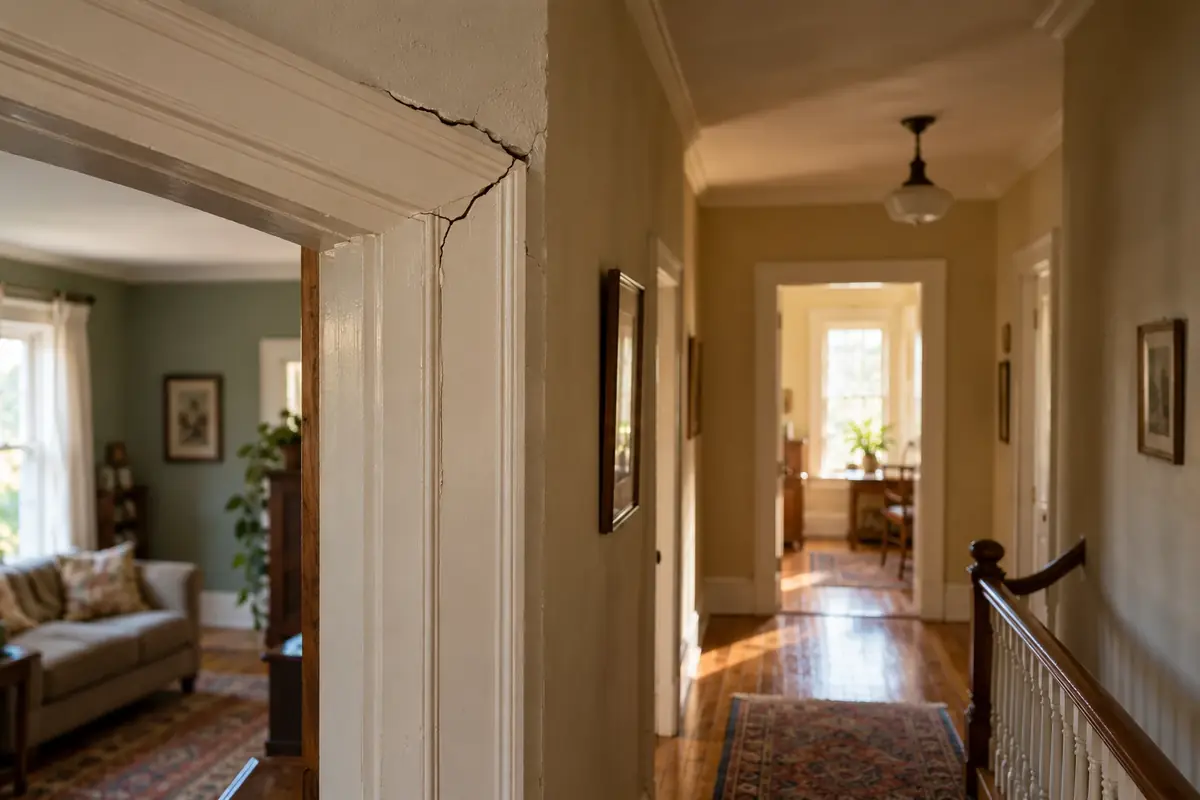
Cracks in walls, brick or slab
Tell us where the cracks are, roughly how wide, and whether they've grown.
ROUND ROCK, TEXAS
Tell us what you're seeing at your home.
Round Rock sits on a geological dividing line, so two homes a few miles apart can face very different foundation problems. We're planning a local foundation repair referral service and want to hear what Round Rock homeowners are dealing with.
Tell us about your projectTell us what's going on and we'll review your request for a contractor introduction.
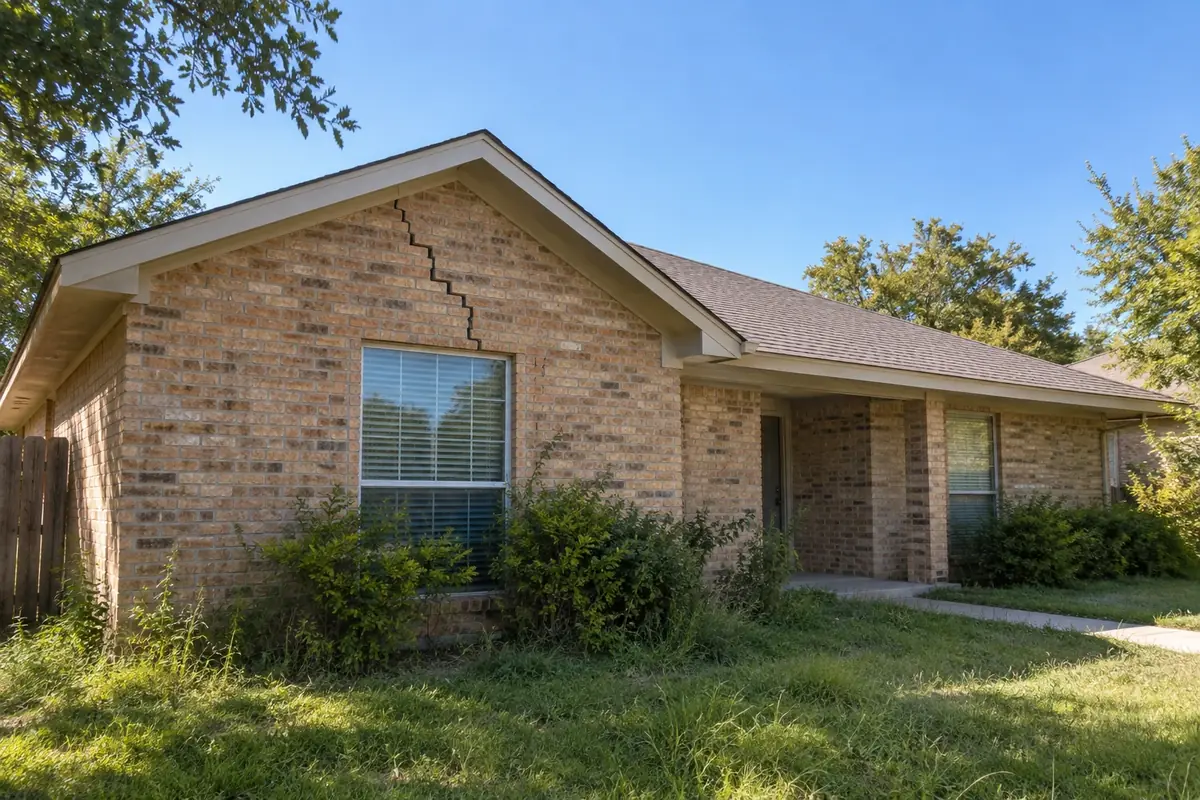
Stair-step brick crack
A common warning signTHE PROBLEM YOU'RE SEEING
You don't need a diagnosis. Tell us what you've noticed, whether the house is on a slab or pier and beam, and how long it has been going on.
Tell us where the cracks are, roughly how wide, and whether they've grown.
Describe which doors or windows stick and which rooms feel sloped.
Already have a quote or a suspicion? Tell us what you were told and we'll take it from there.
YOUR PROPERTY
Let us know where the home is, what you're seeing, what kind of foundation it has, and how soon you'd like it looked at.
“Diagonal cracks over two doors, the back bedroom floor slopes, house is on a slab, built in 2008.” That gives us something useful to work with.
We review each request and look for a contractor who serves the area and type of work you describe.
We'll review your project details and follow up about the next step. We won't share your contact information with a contractor without your permission.
BEFORE YOU CALL A CONTRACTOR
Round Rock is split by a fault line into two very different kinds of ground, and which side your home is on changes both the risk and the likely fix. These notes cover that split, what repairs cost, and what to ask before you sign.
According to one local foundation contractor's soil guide, the Balcones Fault Zone runs through Round Rock. West of it the ground is thin, rocky soil over limestone, where homes tend to move less. East of it is deep Blackland clay, the same expansive material behind many slab problems in Hutto and Pflugerville, and its mapped soils include Houston Black and Branyon clay (Blackland Foundation Repair). Clay swells when wet and shrinks in drought, so the ground under a house rises and falls with the weather.
The same source points to the 1980s and 1990s neighborhoods, such as Brushy Creek, Forest Creek and Round Rock West, as the homes to watch. They have been through the 2011 and 2022 droughts, and their original grading, drainage and trees are now decades old. Newer master-planned communities from the 2000s and 2010s, including some near SH 130 on the clay side, are mostly slab-on-grade, much of it post-tension (Blackland Foundation Repair).
On the limestone side, the same source says genuine settlement is less common, and when something is moving it is more often a drainage or plumbing-leak problem than soil shrinkage. If you are west of the fault and seeing cracks, ask for a drainage evaluation and a plumbing leak test before agreeing to piers.
Several of these can also come from normal settling or other causes. Hairline cosmetic cracks are common; cracks that widen, or several signs together, are worth an inspection (Level Up Construction).
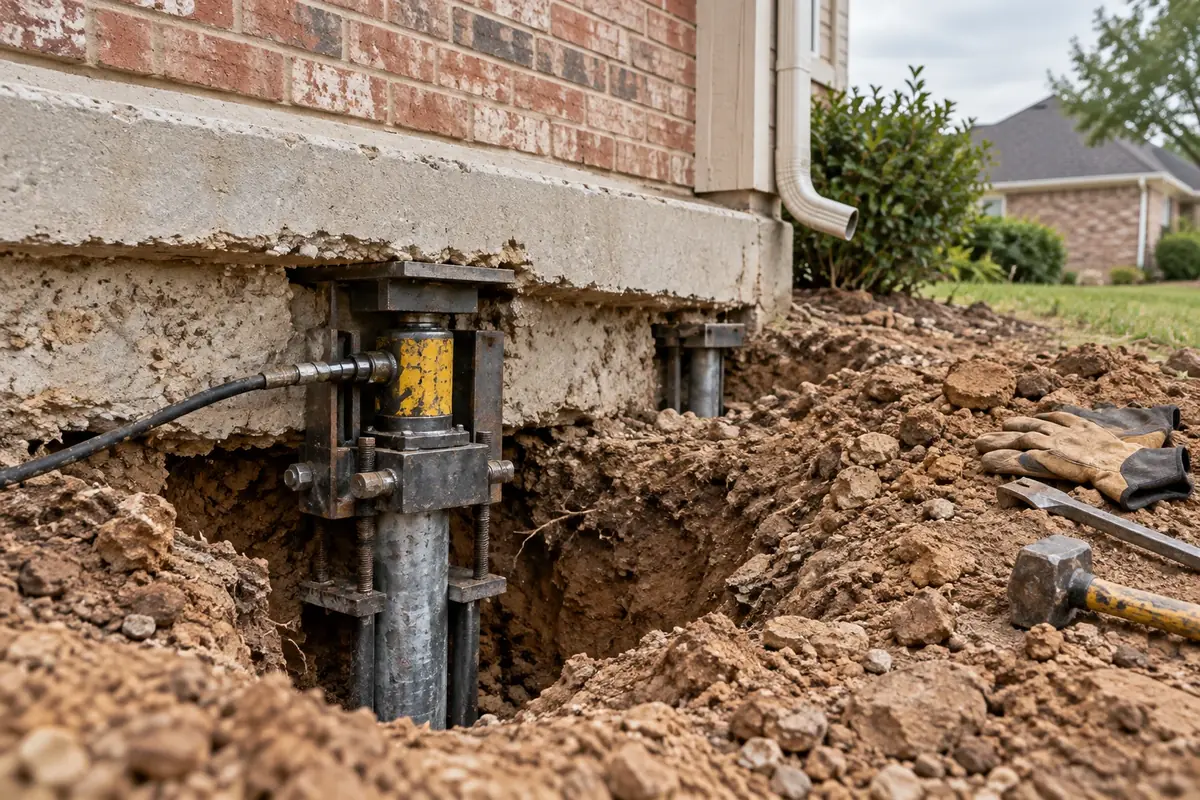
One Round Rock contractor's pricing guide says repairs run from about $2,100 to $22,000, with most moderate jobs between roughly $3,300 and $7,000. It puts steel push or helical piers at about $1,000 to $3,000 each, a structural engineer's inspection at $250 to $600, and gutter, grading or drainage improvements at $500 to $5,000 (Round Rock Foundation Repair Group). Large jobs with many piers can cost far more. Treat these as ranges from a company that sells the work, and compare written quotes.
See foundation repair in Cedar Park and Georgetown.
Local Project Guide is a new referral service run by Jon Staples. We read every request, and we do not share your contact details with a contractor without your permission. See the About page and the privacy notice.
Cost figures come from the linked sources, are estimates, and vary by site and contractor. Last checked September 2026. This is general information, not legal, engineering, or environmental advice.