Brush & cedar clearing
Tell us where the brush has grown in and which trees you want to keep. Include the acreage if you know it.
AUSTIN & CENTRAL TEXAS
Tell us what needs doing on your property.
Tell us about your project and how to reach you. We read every request.
Your request is in. We'll read it and follow up using the email or phone you left. We won't share your information with anyone without your permission.
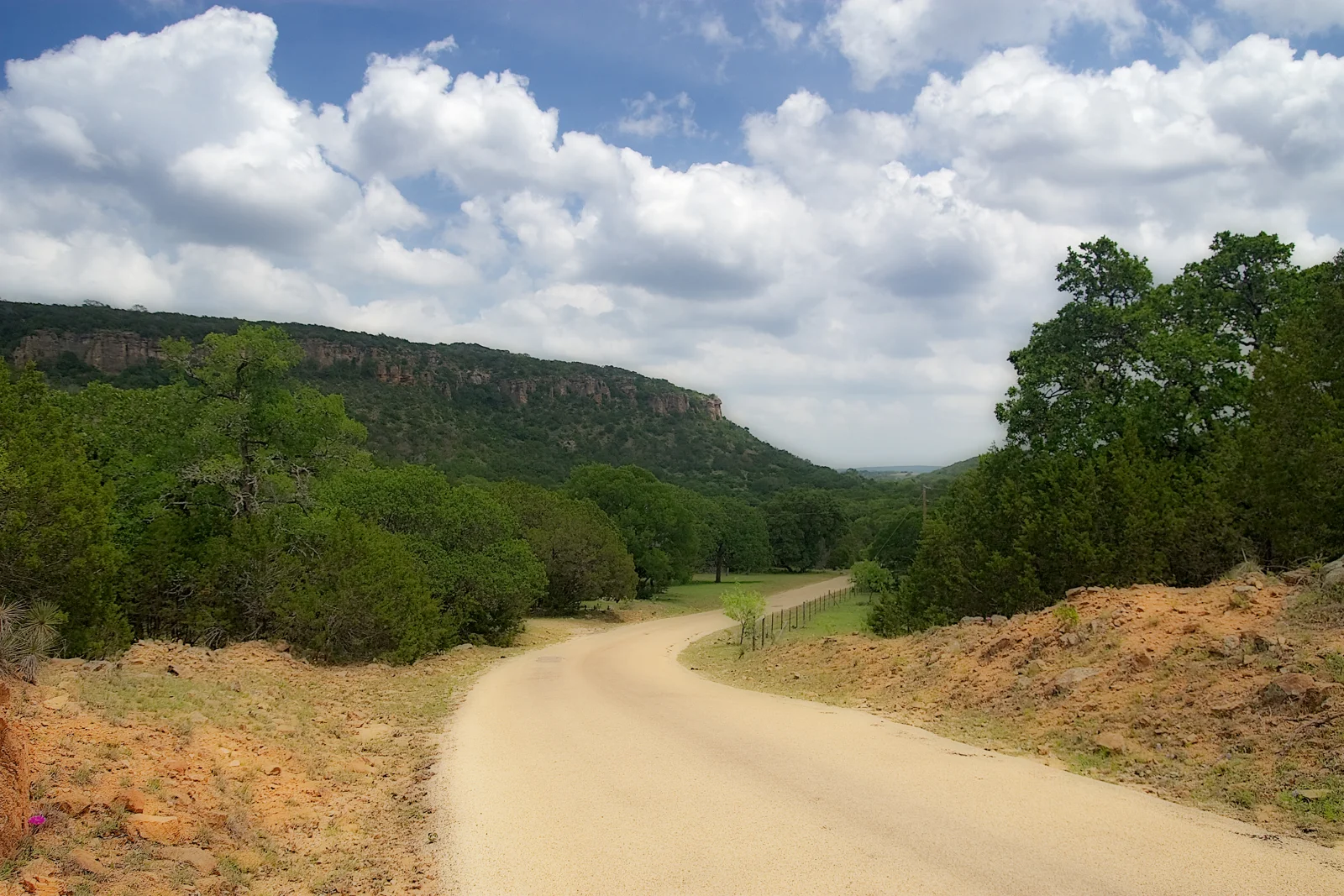
Willow City Loop
Near Fredericksburg, TexasTHE WORK YOU HAVE IN MIND
You don't need a detailed plan. A rough idea of the area and what you want cleared is enough to start.
Tell us where the brush has grown in and which trees you want to keep. Include the acreage if you know it.
If you're considering mulching, tell us about the vegetation and how you plan to use the land. It's fine if you're still weighing your options.
Need to reach a fence, walk the property, or open a path? Tell us roughly how long and wide the cleared area needs to be.
YOUR PROPERTY
Maybe the cedar has taken over, or you can barely get to the back fence. We're planning a local land-clearing referral service and want to hear what property owners around Austin and Central Texas need.
Let us know where the property is, what needs clearing, and when you have it in mind.
“About two acres of cedar behind the house. Keep the big oaks and clear a strip along the fence.” That gives us something useful to work with.
We review each request and look for a contractor who serves the area and type of work you describe.
BEFORE YOU START
Brush, cedar, and overgrowth are part of owning land around Austin, Georgetown, and the Hill Country. These notes cover what drives the price, how to protect your oaks, and when to ask about protected habitat.
The total depends far more on what is growing on the land than on the acreage alone. Dense cedar and large trees are a different scope (and a different kind of number) than light brush and saplings, and access and terrain move the quote too. Contractors may quote per acre, per hour for equipment, or as a flat number for the whole job, so the useful comparison is a written quote that states which method it uses and what is included.
The things that move a quote most:
Ask for two or three written quotes that state the method, the acreage, and what happens to the debris, so you can compare like with like.
Selective clearing removes the brush and trees you point out and leaves the ones you want to keep, such as healthy oaks. Forestry mulching grinds vegetation where it stands and leaves a layer of mulch on the ground, so nothing is hauled off. Which fits depends on how much you want to keep, how dense the growth is, and what you plan to do with the land afterward. If you are not sure, choose "Not sure—need advice" on the request form.
Oak wilt is a serious tree disease across Central Texas. The Texas A&M Forest Service advises avoiding pruning or wounding oak trees from February through June, and lists land or cedar clearing among the activities that can wound oaks. It also recommends painting all oak wounds immediately, at any time of year (Texas A&M Forest Service). Tell any contractor which oaks you want to keep and ask how they will avoid wounding them.
The golden-cheeked warbler is a federally endangered songbird that nests only in mixed Ashe juniper (locally called cedar) and oak woodlands in Central Texas (Texas Parks and Wildlife Department). Clearing mature woodland can therefore raise Endangered Species Act questions. Williamson County has a regional habitat conservation plan covering listed species that includes the warbler; the U.S. Fish & Wildlife Service describes it. If your property has mature cedar and oak woodland, ask the county and the Fish & Wildlife Service what applies before any clearing starts.
It depends on where the property is. Rules can differ inside city limits, in the county, in a floodplain, and under your HOA's covenants. Check with your city or county and your HOA, and ask any contractor whether they expect permits. Local rules change, so confirm current requirements before you start.
Many landowners fence or gate land right after clearing it. See custom gates and fencing in Liberty Hill or Georgetown.
Local Project Guide is a new referral service. We read every request, and we do not share your contact details with anyone without your permission. See the About page and the privacy notice.
Cost figures come from the linked sources, are estimates, and vary by site and contractor. Last checked September 2026. This is general information, not legal, engineering, or environmental advice.